Media center

Media inquiries
contact@welfarefootprint.org
Replies usually within two working days; faster on a stated deadline.
Interviews in English, Portuguese or Spanish.

The Welfare Footprint Institute (WFI) is a scientific research organization that quantifies what animals experience. We develop transparent methods for measuring the intensity and duration of negative and positive experiences. This makes animal welfare impacts easier to understand, compare, and use in decision-making.

Journalists can contact us for scientific commentary, background information, published research findings and data, or help finding researchers with relevant expertise.

How to describe us

Short

The Welfare Footprint Institute (WFI) is an independent nonprofit research organisation that measures what animals experience. Its Welfare Footprint Framework expresses welfare as the time animals spend in pain or pleasure of different intensities, with the evidence and uncertainty behind every estimate made public. WFI's results are free to use.

Long

The Welfare Footprint Institute (WFI) is an independent nonprofit research organisation founded in 2025 by the biologists Cynthia Schuck-Paim and Wladimir J. Alonso, who began the work as the Welfare Footprint Project. WFI develops and applies the Welfare Footprint Framework, a method that measures animal welfare as the time animals spend in negative and positive experiences of different intensities. Because time is a common unit, results can be compared across practices, production systems, interventions and prices. WFI has published open books on pain in laying hens and broiler chickens and peer-reviewed studies on fish slaughter, cattle heat stress and the cost of welfare reforms. It works with scientists, producers, policymakers, certifiers and animal protection organisations, provides evidence, and does not campaign, certify or take political positions. WFI is a US 501(c)(3) public charity; its reports, data and charts are openly licensed (CC BY 4.0).

Press releases

WFI in the news

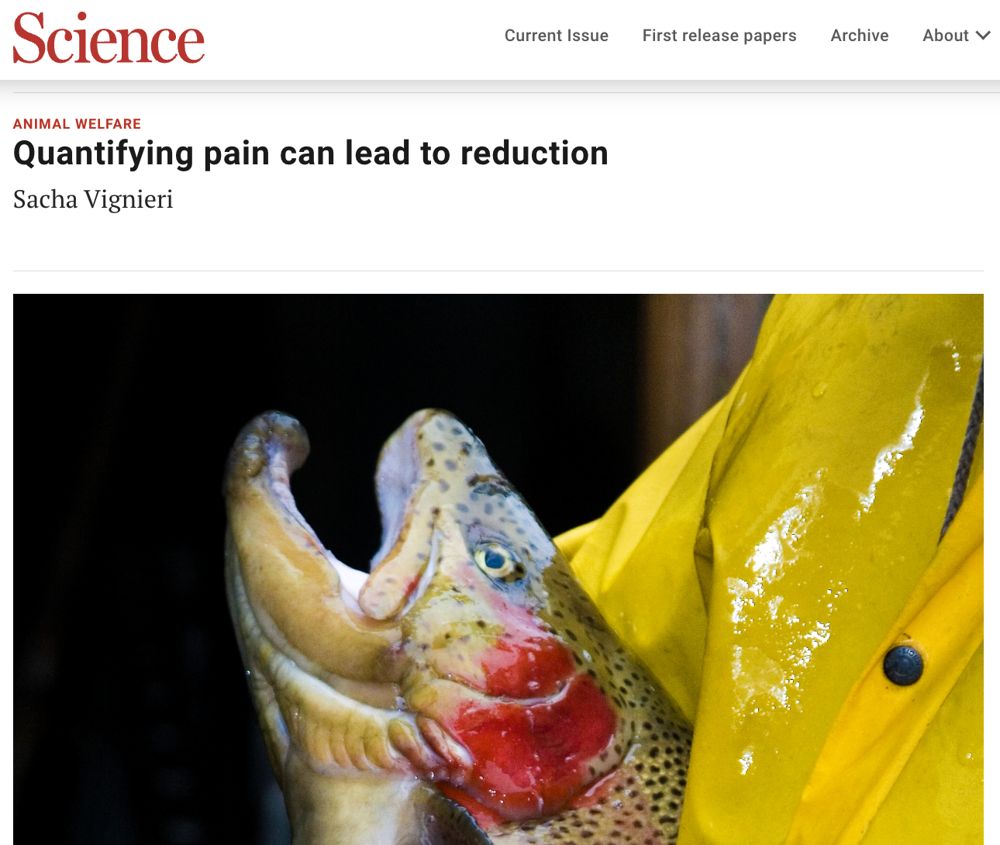
Science: Quantifying pain can lead to reduction
Science17 Jul 2025

Quantifying pain can lead to reduction

Research highlight in Science, vol. 389: the Welfare Footprint Framework "facilitates calculation of the cumulative amount of time an animal spends in positive and negative affective states"; the trout study found "an average of 10 minutes of moderate to intense pain per fish".


25 more items, 2021 to 2026, newest first

2025

Cited by

Standard-setting and science communication institutions citing WFI's work

Some talks

The Welfare Impact of Pre-slaughter in SalmonCynthia Schuck-Paim · UFAW centenary conference, 2026
The Welfare Footprint Framework's modular architectureWladimir J. Alonso · UFAW centenary conference, 2026
Substrate deprivation in whiteleg shrimpPatricia Pereira and Benjamin Wilden · UFAW centenary conference, 2026
The pain echo chamber effectCynthia Schuck-Paim · UFAW conference, 2025
Early life of smolts in recirculating aquaculture systemsPatricia Pereira · UFAW conference, 2025
Animal welfare science must look at timeCynthia Schuck-Paim · UFAW conference, 2023
The Welfare Footprint of the Egg satellite workshopWelfare Footprint Institute · ISAE 2025 satellite workshop
Assessing Animal Welfare: Unveiling the Cumulative Pain MethodWelfare Footprint Project · YouTube
Quantifying animal suffering and the impact of welfare interventionsCynthia Schuck-Paim · EAG Boston 2023
Calculating Welfare Footprints - Analytical StepsWelfare Footprint Project · YouTube
Quantifying the welfare impact of the U.S. transition to group housing for gestating sowsKaitlin Wurtz · YouTube
Hen mortality rates in cage-free systems decline over timeAJE Video Bytes · YouTube
How Whiteleg Shrimp Biology Shapes their Welfare RisksWelfare Footprint Project · YouTube
Processogram Example: A Brief Interactive Journey Through Sow and Market Pig Life CyclesWelfare Footprint Project · YouTube
Animal Welfare Science Must Look at Time!Cynthia Schuck-Paim · YouTube
Spokespeople

Who to ask

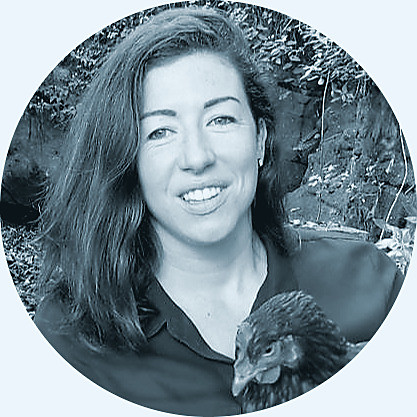
Cynthia Schuck-Paim

Cynthia Schuck-Paim, D.Phil.

Co-founder, Scientific Director

Zoologist (Oxford), nearly 100 publications, co-developer of the framework and lead author of the trout, broiler, laying-hen, cattle and Nature Food studies. Speaks to how pain is measured and what the numbers mean for fish, chickens, pigs and cattle.

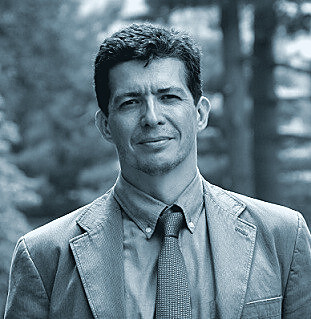
Wladimir J. Alonso

Wladimir J. Alonso, Ph.D.

Co-founder, Innovation Director

Biologist, 20 years in evolution, animal behaviour and global health (NIH, WHO, CDC), more than 100 papers; conceived the Pain-Track approach. Speaks to the logic of the method, the digital tools, and the human-health side of animal farming.

Dr. Kate HartcherPoultry welfare; corresponding author, Nature Food comment
Dr. Kaitlin WurtzMammal welfare: pigs and cattle
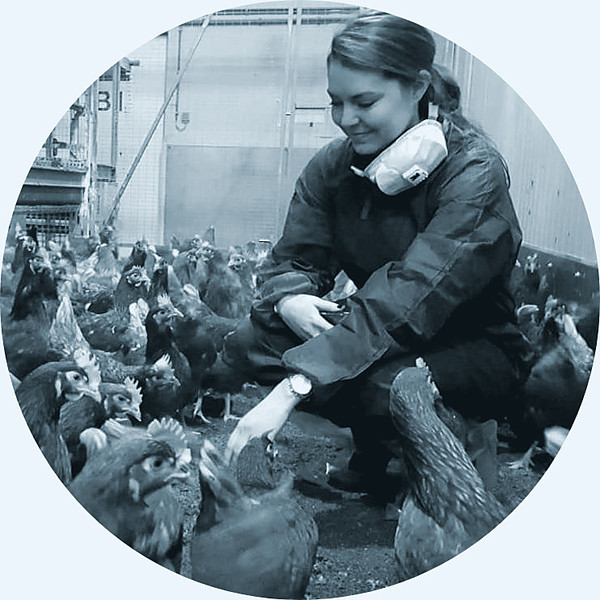
Patricia PereiraAquatic animal welfare: fish and shrimp

Working with the media

Written answers

WFI answers media questions in writing by default. Send your questions to contact@welfarefootprint.org or use the contact form.

Live or recorded appearances (television, radio, podcasts, panels) are exceptions and need WFI’s approval in advance.

Factual review before publication

Before any interview or information is provided, the journalist or outlet agrees in writing that WFI may review, before publication, the content that draws on WFI’s contribution: quotes, paraphrased statements, and descriptions of WFI findings or methods. WFI does not ask to review complete articles or programs.

The review

  • covers only factual accuracy, technical correctness, and proper scientific context;
  • does not seek editorial control over framing, tone, conclusions, or journalistic perspective;
  • is completed within 48 hours of WFI receiving the material;
  • includes a specific justification for every correction requested.

This is a standard requirement for all media engagements. If an outlet cannot agree to it, WFI will decline the request. For approved live or recorded appearances that cannot be reviewed in advance, WFI records the interaction and provides written clarifications afterward if needed.

Corrections

If published coverage misreports WFI’s findings, methods, or statements, WFI will ask the outlet for a correction, stating the specific error and providing the supporting evidence.

Downloads

Assets

Scientific figures and charts with captions are in the Figures and Images gallery.

Logo files